
Herbal First Aid for the coming Apocalypse

Skin is the largest organ in your body. It protects you from infection and functions as your armor against a host of microbes that are trying to invade your body. Normally it does this job quite well, but anything that compromises the integrity of your skin can be a potential source of disease or infection. Here are 3 types of things to keep in your first aid kit for your skin.

1.) Bug Spray. It sounds like such a minor thing but I live in an area where Lyme disease and Alpha-Gal are real concerns. I’m also severely allergic to mosquito bites and develop a rash that can easily turn into a secondary infection.  I have to keep the bugs away and that’s why I keep bug spray in my first aid kit.  I also keep an anti-itch stick to keep the bug bite from turning into a huge rash.  It really helps with the itching! You can purchase Bug Spray from me or use this recipe to customize your own.
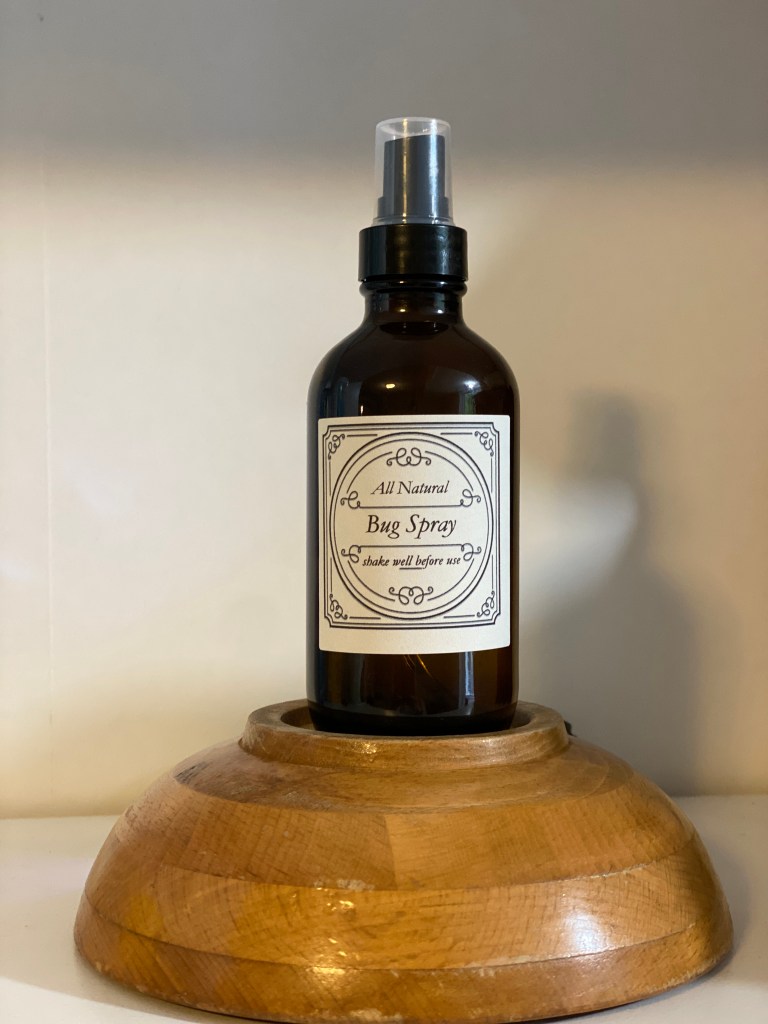
Herbal Bug Spray

Bug Spray

  • 4 T distilled water
  • 2T vodka
  • 5-6 drops EO

(The oil floats on top of the water, make sure you shake this well before each use.)

EOs for mosquitos:                               EOs for ticks:

  • Peppermint,                               Rose Geranium
  •  Sage                                        Sweet Myrrh
  •  Lemongrass,                            Tansy
  •  Lemon,                                     Eucalyptus
  • Thyme,
  •  Lavender, 
  • Sage

2.) Wound Care: Cleaning

Antimicrobial Herbs to forage:

  • Dandelion (leaf and root)
  • Yarrow (aerial parts)
  • Yellow Dock (root)
  • Oak (bark)
  • witch hazel (leaf and bark)
  • plantain (leaf)

Once you have your antimicrobial Herbs you can tincture them by steeping them in alcohol (vodka) or witch hazel.  I like to keep mine in a small spray bottle and I use 8 different botanicals soaked in witch hazel with a small amount of alcohol added.  You can buy mine here:
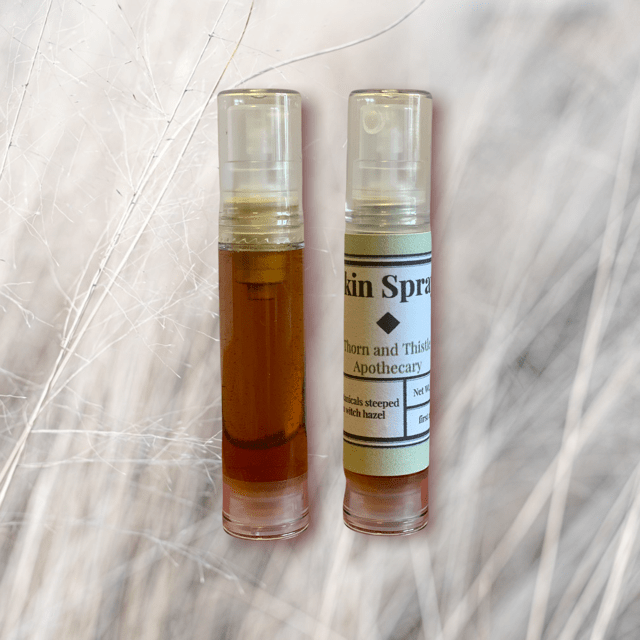
First Aid Skin Spray

3.) Wound Care: Healing

Herbs to speed healing:

  • Calendula (flower)
  • Hops (strobile)
  • Myrrh (resin)

I make a calendula salve that you can purchase in a tin or in an easy-to-use chapstick form.  I love it for bug bite relief (anti-itch stick) and minor cuts and abrasions (skin-soothing salve)
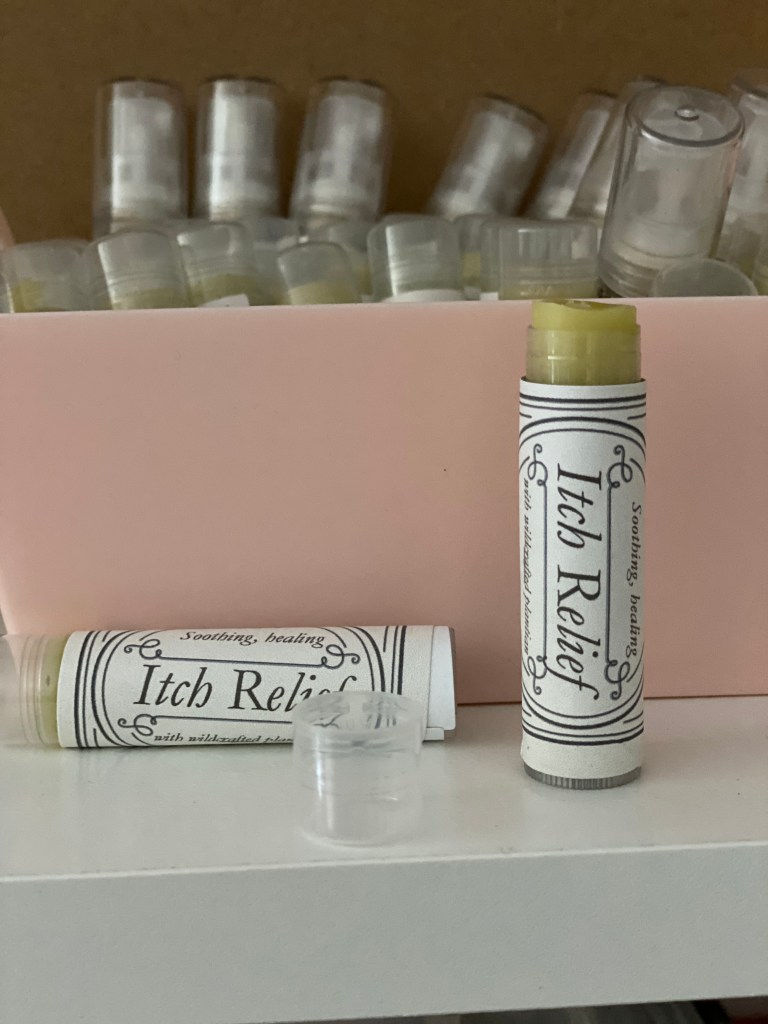
Itch relief and skin-soothing salve

Bonus:

In a pinch, if you find yourself without any supplies at hand look for pine sap. Pine trees are easily identified by their clusters of needles that grow from a single clump. Their sap is anti-microbial, anti-fungal and it’s what the tree uses to protect itself when it gets injured so when harvesting the sap you need to leave some for the tree! It’s also very sticky so if you can use a twig to scrape some onto a leaf it will adhere the leaf to the skin like a band-aid – it is very difficult to get off though so if you can make it into a salve by adding beeswax and plant oil, you will have an easier time using it and keeping your wound clean.
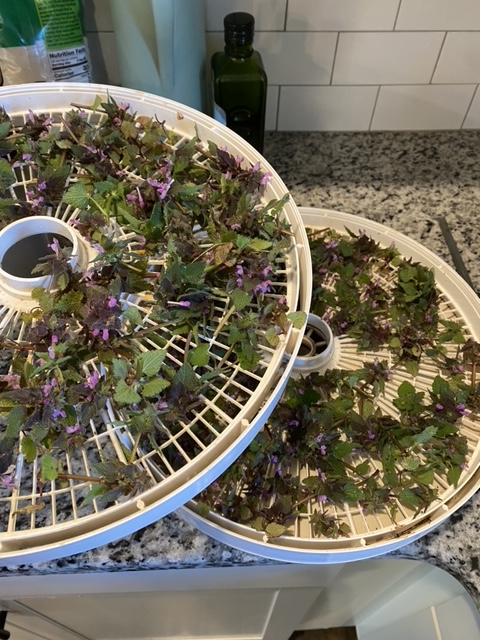
Foraging Deadnettle

Meteorological spring is underway even if the calendar still shows that it is winter. My backyard was covered in deep snow and ice two weeks ago and when I went out today I found a treasure trove of spring edibles. Lets talk about Deadnettle.

Deadnettle (Lamium Purpureum) is in the mint family (Lamiaceae) and is one of the first forgeable weeds to pop up in spring. It is easy to identify. by it’s squarish stem typical of mint family, leaves in opposite pairs, slightly hairy (but no sting!) and when mature, the top leaves turn purple -y green to purple-y brown, making it easy to spot from a distance. The flowers are typically purple.

Deadnettle has been traditionally used in a variety of ways but I’m foraging it to help support my seasonal allergies as it has some antihistamine properties and is a natural source of quercetin (a bioflavonoid that helps relieve seasonal allergies) which means I’m definitely going to be adding it to my allergy clearing tea!

Deadnettle is very nutritious. It contains polyphenols that are associated with a broad range of health benefits, especially for the cardiovascular system and the gut microbiome and can be used to make a wild spring pesto along with chickweed, nettle and other wild foragables. After a long winter spent inside with no access to fresh fruits and most vegetables, our ancestors would look forward to replenishing their systems with nutritious greens full of vitamins and minerals in the spring. Nowadays, due to modern farming technics, monoculture, and toxic chemicals I generally think of foraged foods as being more nutritious than anything you can buy at the store, however, this one doesn’t taste fantastic so I’ll be adding it to sauces, smoothies and salads very sparingly. It also can have a mild laxative effect … so, another reason I’ll be using it in small amounts.

Deadnettle has no toxic lookalikes but is often mistaken for Henbit which is fortunately edible and beneficial as well, so, no harm! It should be harvested after the flowers are present as many herbs / “weeds” look similar when they are very young. (Also, I’m not a medical person so always do your research about whether a plant is good choice to try, especially if you are breastfeeding or pregnant. Info posted on this page is for entertainment purposes only.)

https://www.instagram.com/stories/rowdyprisoners/2521542878780414622/

On a practical level, I think it is important to celebrate the living things around you and if you know that your yard is pesticide free, why not give it a try? I’ll be posting on instagram some of the recipes I try with deadnettle. Follow me @rowdyprisoners on instagram or on Facebook @rowdyprisonersherbal

#holistichealing #foraging  #herbalife #healingherbs #medicinalplants #herbalists #herbalnutrition #naturalremedies #holistic #herb  #naturalhealing #wildcrafting #magick #naturesmedicine #aromatherapy #hedgewitch #myherbalstudies  #herbalistsofinstagram #botanicals #gardening #meditation #plantlove #detox #magic #flowers