I have been very busy in April formulating, creating, branding, doing boring grownup stuff … but now I have finally gotten to the point where I can show you what I’ve been up to.
Skin Care offerings:
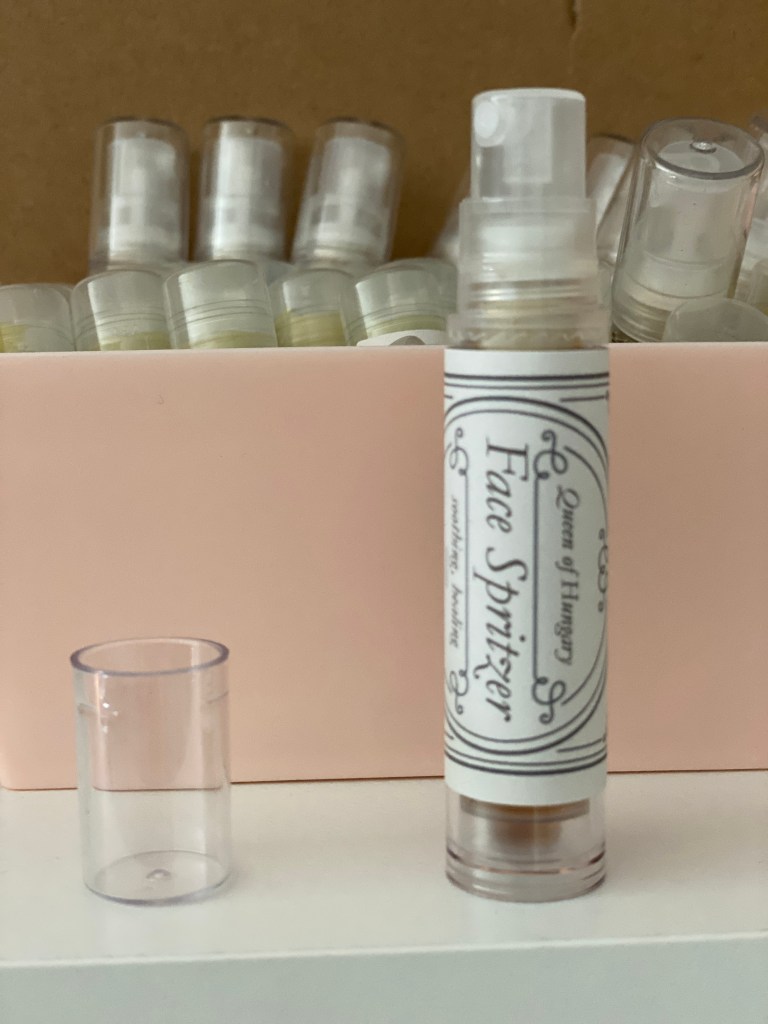
Queen of Hungary Facial Spritzer ($15) this facial spritzer is made from an ancient recipe purported to have been used by the Queen of Hungary in 1370 AD. 12 different flowers are steeped in Witch Hazel for a minimum of 2 months to produce a light and refreshing floral spray.
Pain Relief Salve: ($7): This pain-relieving salve uses the same essential oil blend that can be found in the Headache roller but in a soothing salve base. Rub on sore muscles, achy joints, or even the back of the neck when you feel a headache building. Lavender, Wintergreen, and Blue Tansy ease tension and cool excited tissues.
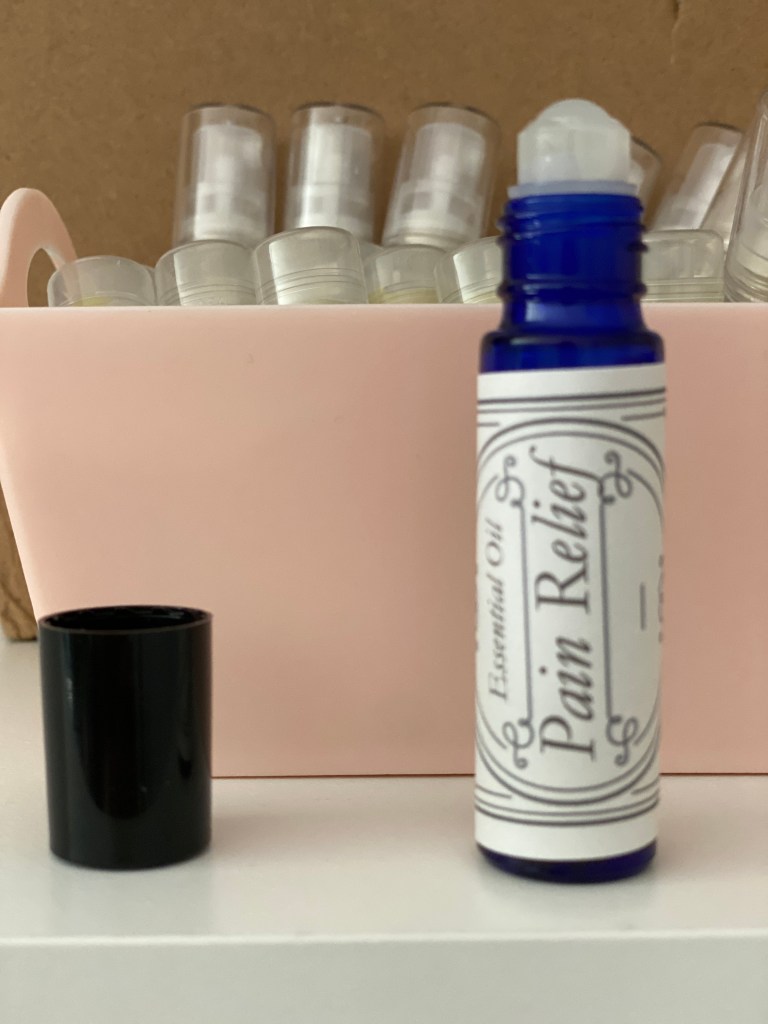
Headache Roller: ($10): This pain-relieving roller uses the same essential oil blend that can be found in the pain-relieving salve but in a convenient roller. Rub on sore muscles, achy joints, or even the back of the neck when you feel a headache building. Lavender, Wintergreen, and Blue Tansy ease tension and cool excited tissues.
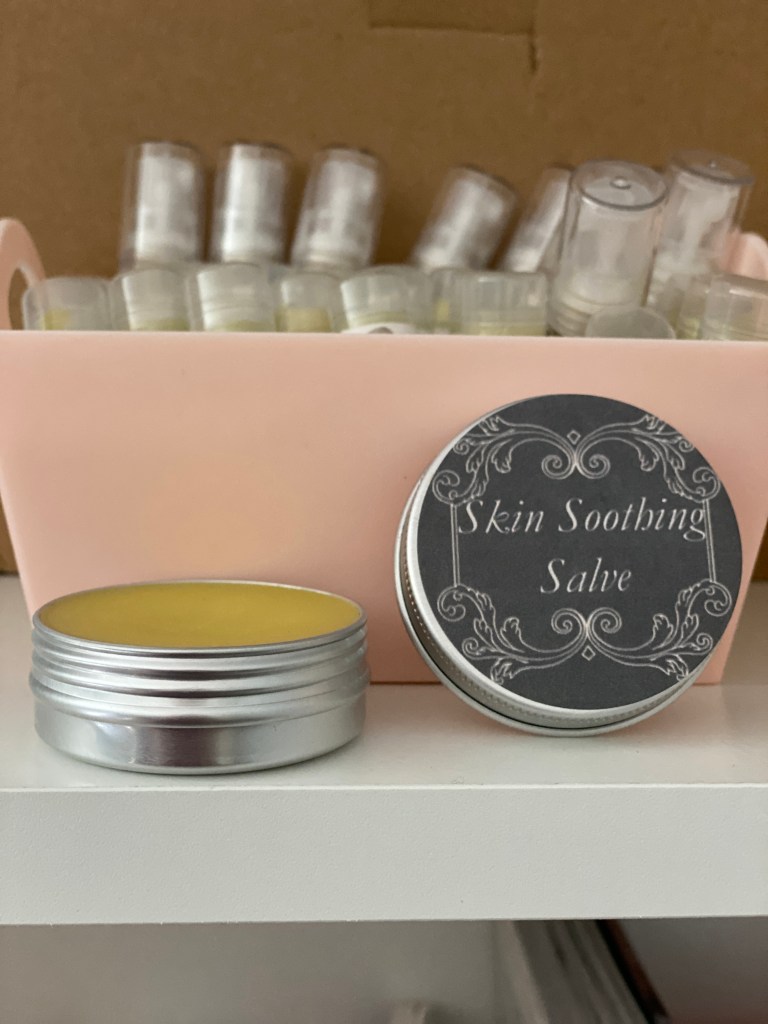
Skin Soothing Salve: ($7): This skin-soothing salve has a blend of herbs to calm red, irritated skin due to rash, mild infection, abrasions, and other irritations that cause pain or itching.
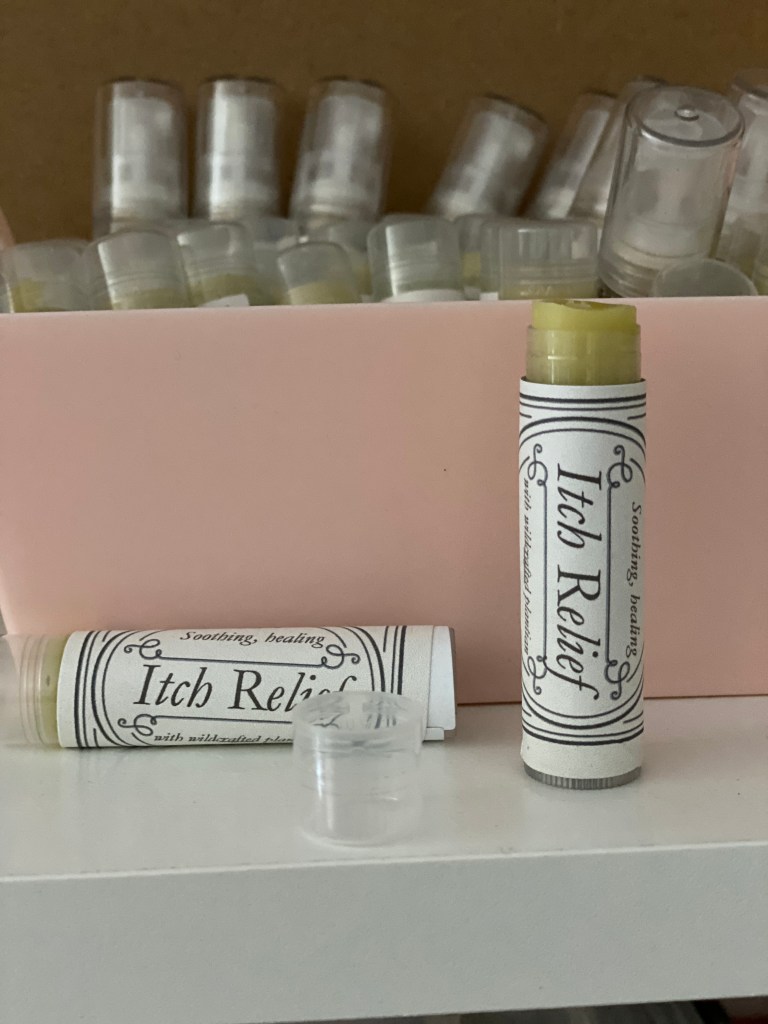
Itch Relief Stick: ($3): This blend of vulnerary (healing) and herbs infused in olive oil and soothing essential oils combined with organic beeswax are conveniently packaged in a chapstick container. Perfect for carrying in a pocket, purse or backpack. It works great on bug bites and mild rashes and skin abrasions.
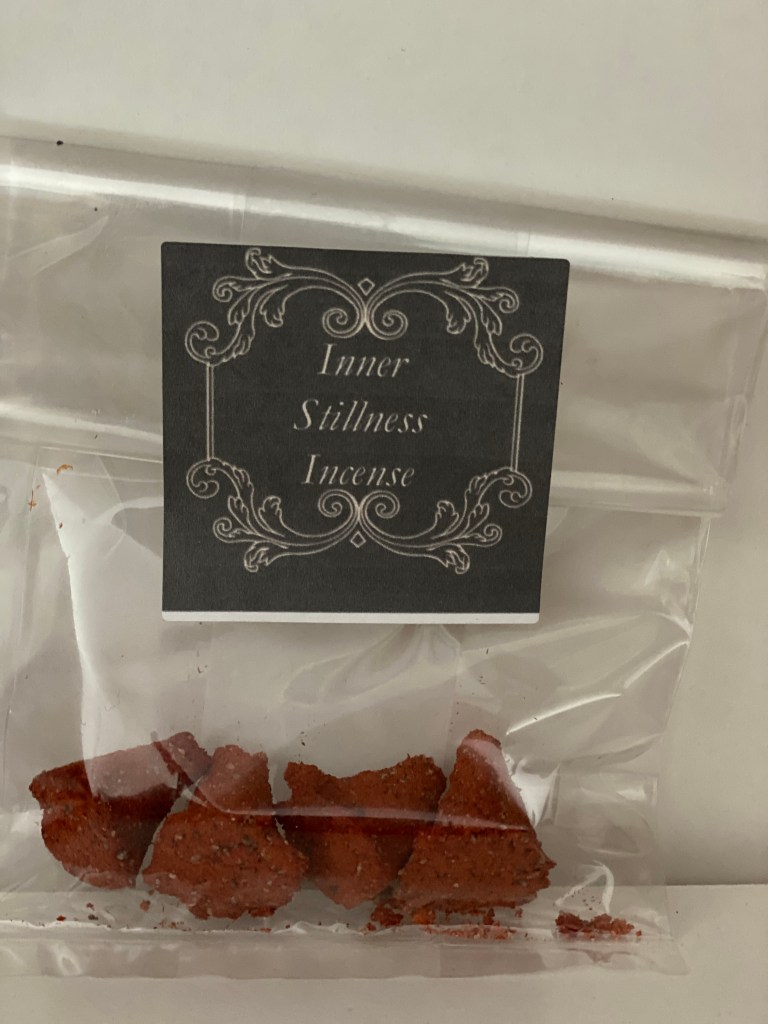
Inner Stillness Incense ($5): This incense blend is a calming, grounding blend of patchouli, frankincense, and cinnamon. I enjoy watching it burn while I meditate or lighting it to bring a calming vibe to a room or a situation. 4 handmade cones. There are no artificial ingredients, or aromas.
And speaking of skin … I’ll be teaching an herbal salve making class Thursday May 6 at 6:30. The class is $50 and you will be making a salve and a hydrosol to take home with you at the end of class. You can contact me by email to reserve a spot. (Due to the fact that I have to buy ingredients and spend several days preparing for this class cancellations within 48hrs of the class will not be refunded. Sorry!)
Items can be purchased through my Facebook page or Instagram. Email me any time at thornandthistleapothecary@gmail.com
(all products are home made with wholesome, natural ingredients as well as some sustainably wildcrafted ingredients where available. I am not a doctor, I do not treat, diagnose, or perscribe. Items for sale are not medicine and should not be considered as such.)
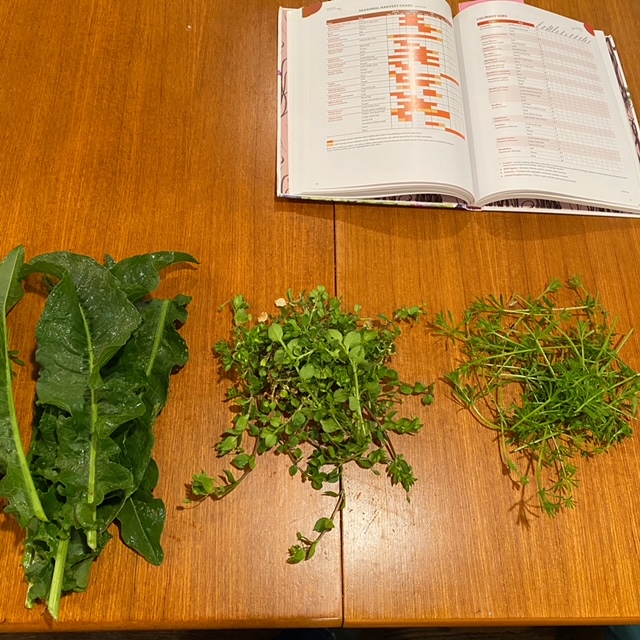
This St. Patricks day, under the threat of a severe weather alert and tornado warning, I decided to run out and gather some spring greens I had been keeping track of in case hail or flooding damaged my little patch!
(left to right: Curly Dock, Chickweed, Cleavers)
After a long grey winter I have been feeling sluggish, unmotivated and somehow .. stuck. Spring is an excellent time to help your body shake off the winter in your blood and renew yourself. These common three herbs are helpful
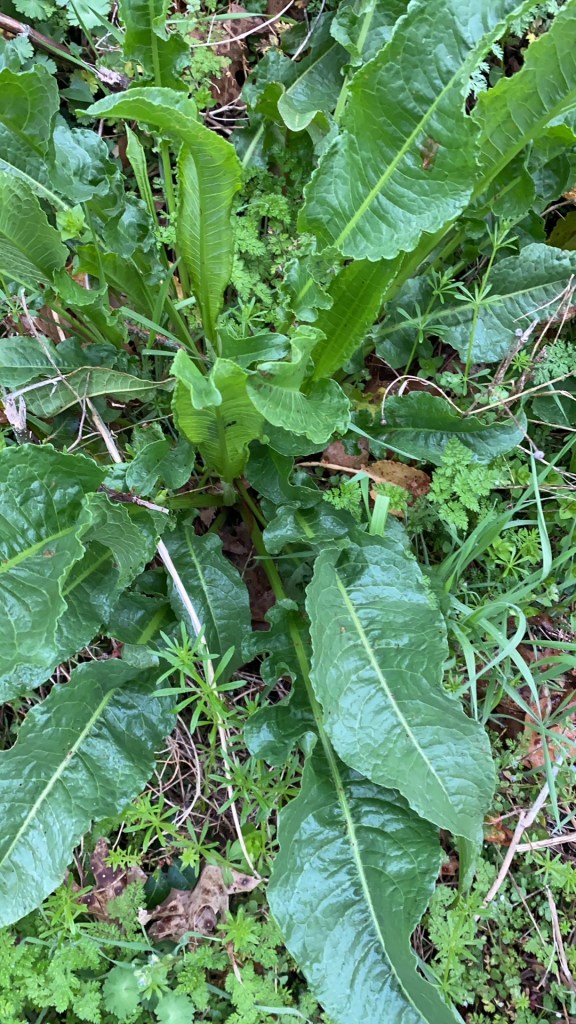
1.)YellowDock/ CurlyDock (Rumex Crispus)
The leaves of curly dock are hairless, long and narrow, and often have wavy or curly edges—which is where it gets its common name. The plant has both basal leaves and leaves on the stem, which are alternate. Basal leaves can be as long as 12 inches and around 2 ½ inches wide; the leaves become smaller as they ascend the stem. A thin whitish sheath grows around the node (where the petiole and stalk meet.) This sheath becomes brown and papery with time and eventually disintegrates. The main stem is ribbed, stout, and mostly unbranched. The plant can reach heights of one to five feet at maturity.
Uses:
Cooked: Curly dock leaves are rich in vitamins C and A, and offer a bitter, lemony taste. The leaves can be sauteed or added to soups.
Infused: The dried roots of the herb can be prepared as an herbal tea for helping rheumatism, liver problems, and sore throats. When applied topically, a longer herbal decoction of the roots can help relieve skin sores.
Traditionally curly dock was used for constipation (it encourages peristalsis) and to reduce inflammation. It contains both antioxidant and antihistamine properties as well as hypoglycemic and anti-viral effects. Its taste is bitter and astringent so if you plan on eating it definitely pick the youngest leaves possible from areas that are away from roads and areas sprayed with pesticides (like near power lines).
2.) Cleavers (Galium aparine)
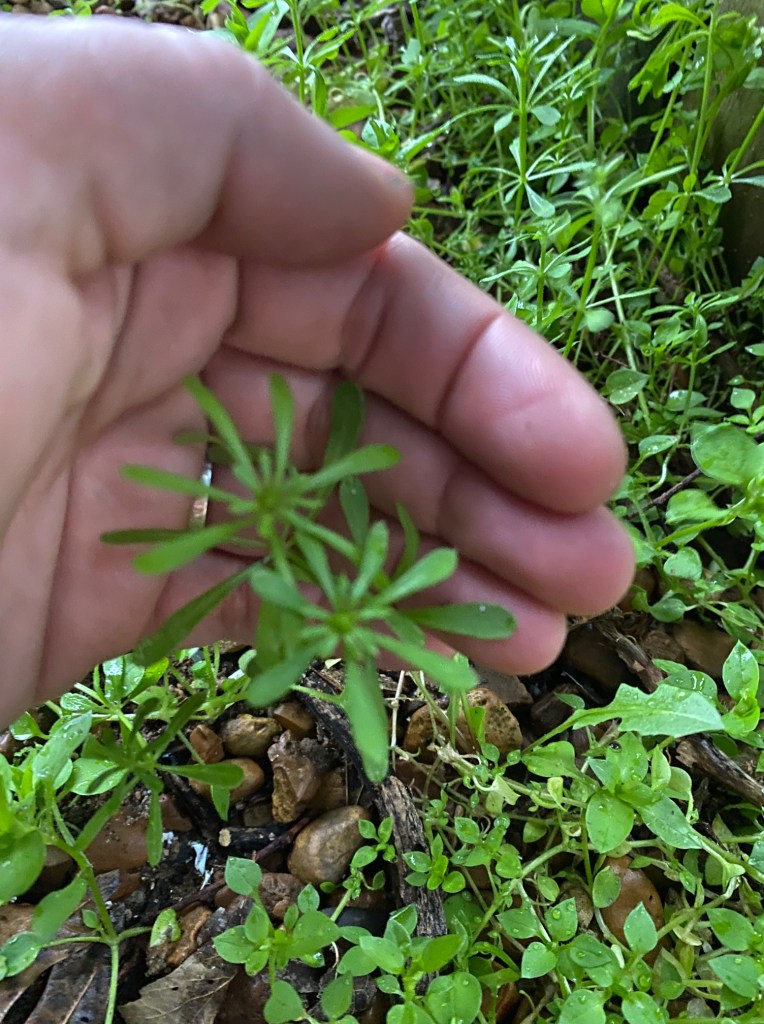
Cleavers plants have leaves that grow in “whorls”, which is to say that they grow out from the stem in a star-like way.
Each “whorl” of leaves on cleavers have 6-8 leaves. More or less may indicate a different Galium variety.
The stems of cleavers are very angular or square. The edges will feel almost sharp and the whole plant will feel sticky (which is where the name came from, “to cleave”)
Both the leaves and stem of cleavers are covered in small, fibrous hairs, which actually end in tiny hooks. The seeds, when present, will also have these hooked hairs. These hooks help the plant stick to fabric, hair, fur, and other plants. It’s important to find the hairs on both the stem and the leaves; some other Galuims have smooth leaves.
Individual cleavers plants can grow to be 2-3 feet long, however, they rarely appear to be more than 6-7 inches off the ground, as they grow horizontally along the ground.
The leaf shape of cleavers versus other Galiums is subtle, but essential for identification. Each leaf is thin, and wider at the end than it is in the middle or near the stem. (Some other Galium varieties are widest at the middle.) The end of the leaf is rounded, or rounded with a tiny point at the very end. Though there may be a point at the end of a round end, the overall shape should not be “pointed”.
When in flower, cleaver blooms are small, white and nestle-in with the leaves, and not a large plume of blossoms off the end of the plant, as with some other varieties of Galium.
Cleavers do not branch, the entire stem is one long piece. If your plant branches or splits into two stems at a whorl of flowers, it’s a different variety of Galium.
Uses:
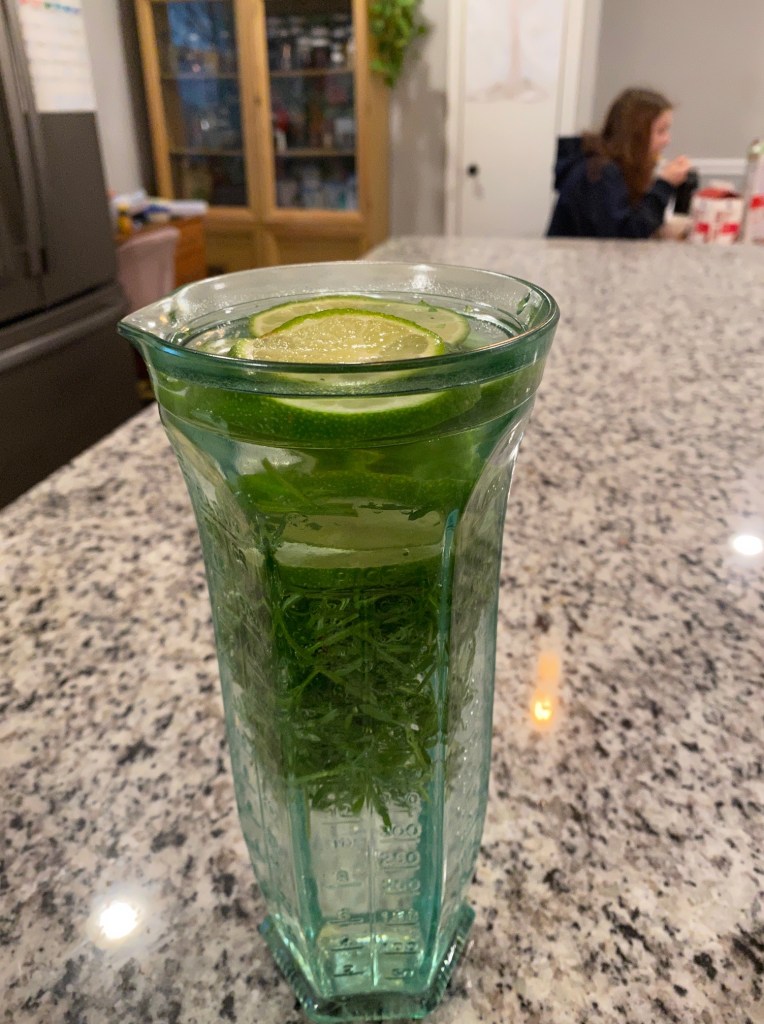
Due to it’s hooked and “sticky” nature, cleavers isn’t great in a salad. It is best enjoyed as a cold infusion with a little lime. I combined water, sliced lime and cleavers and placed it all in the fridge overnight to enjoy. It was light and refreshing!
Benefits:
Cleavers is believed to support the immune system and have diuretic, antispasmodic, and anti-inflammatory effects. Cleavers is associated with springtime and moving away from the heaviness and stillness of wintertime by reducing swollen glands and fluid build-up.
3.) Chickweed (Stellaria media)
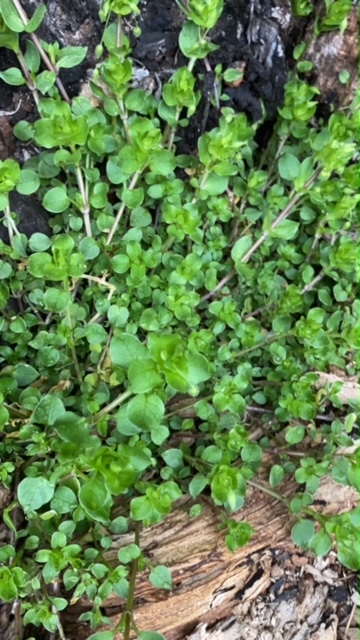
Chickweed likes to grown in moist environments and is quick to wilt in the summer heat.It’s tender, stringy, and rarely grows more than a few inches up off the ground. Leaves are small, teardrop- to egg-shaped with a pointed tip, and grow opposite each other along the stem.
Flowers (when present) are distinctive and tiny, featuring five white petals with deep clefts that might lead you to believe they are actually ten. The flower stem and the sepals—the leaves around the base of the flower—are covered with very fine hairs.
One unique defining characteristic of chickweed is a single line of hairs—running along the length of each stem. This is a pretty unusual trait for a plant, which makes it a great way to differentiate common chickweed from mouse-ear chickweed, (which is edible but covered in fine hairs and less pleasant to eat) and scarlet pimpernel, the poisonous lookalike. (Scarlet Pimpernel has a square stem and red, white, blue or more commonly, salmon-colored 5 petal flowers vs. chickweed which has a round stem and deeply cleft 5 petal flowers)
Uses:
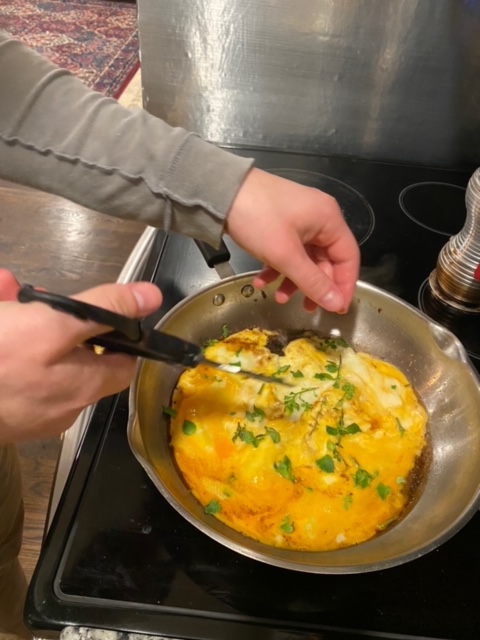
Chickweed is similar to yellow dock and cleavers in that it aids in moving lymph, has diuretic properties and helps reduce inflammation. It’s a great source of vitamin C, calcium, magnesium, and potassium and it is also a choice edible that most people like to use fresh in salads, omelettes (pictured below: my son snagged some and added it to his breakfast) and fritters.
As always, I am not a doctor and not giving medical advice. If you choose to forage please do so responsibly and research the plants you consume before you consume them, always trying new plants in small amounts before eating more. There is loads more info about all three of these plants and this post is just meant to be a small taste of what you might find if you start down the foraging rabbit hole. Bon Appetite!
Meteorological spring is underway even if the calendar still shows that it is winter. My backyard was covered in deep snow and ice two weeks ago and when I went out today I found a treasure trove of spring edibles. Lets talk about Deadnettle.
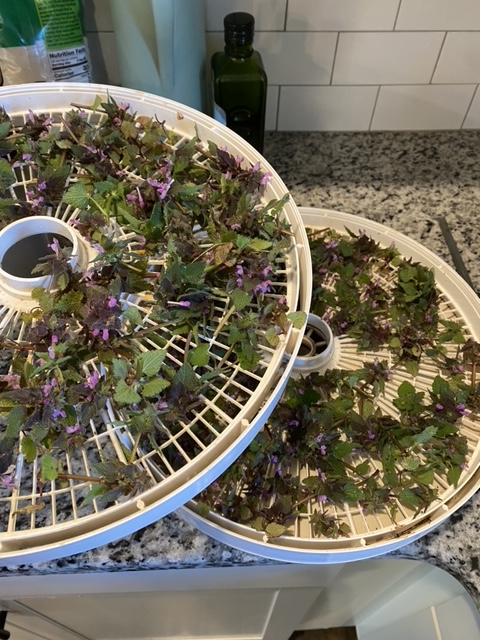
Deadnettle (Lamium Purpureum) is in the mint family (Lamiaceae) and is one of the first forgeable weeds to pop up in spring. It is easy to identify. by it’s squarish stem typical of mint family, leaves in opposite pairs, slightly hairy (but no sting!) and when mature, the top leaves turn purple -y green to purple-y brown, making it easy to spot from a distance. The flowers are typically purple.
Deadnettle has been traditionally used in a variety of ways but I’m foraging it to help support my seasonal allergies as it has some antihistamine properties and is a natural source of quercetin (a bioflavonoid that helps relieve seasonal allergies) which means I’m definitely going to be adding it to my allergy clearing tea!
Deadnettle is very nutritious. It contains polyphenols that are associated with a broad range of health benefits, especially for the cardiovascular system and the gut microbiome and can be used to make a wild spring pesto along with chickweed, nettle and other wild foragables. After a long winter spent inside with no access to fresh fruits and most vegetables, our ancestors would look forward to replenishing their systems with nutritious greens full of vitamins and minerals in the spring. Nowadays, due to modern farming technics, monoculture, and toxic chemicals I generally think of foraged foods as being more nutritious than anything you can buy at the store, however, this one doesn’t taste fantastic so I’ll be adding it to sauces, smoothies and salads very sparingly. It also can have a mild laxative effect … so, another reason I’ll be using it in small amounts.
Deadnettle has no toxic lookalikes but is often mistaken for Henbit which is fortunately edible and beneficial as well, so, no harm! It should be harvested after the flowers are present as many herbs / “weeds” look similar when they are very young. (Also, I’m not a medical person so always do your research about whether a plant is good choice to try, especially if you are breastfeeding or pregnant. Info posted on this page is for entertainment purposes only.)
On a practical level, I think it is important to celebrate the living things around you and if you know that your yard is pesticide free, why not give it a try? I’ll be posting on instagram some of the recipes I try with deadnettle. Follow me @rowdyprisoners on instagram or on Facebook @rowdyprisonersherbal
To me, plants are a poem. They represent a wealth of information that may not be understood at first glance. When I first started running I was plant blind. I’d run past weeds, flowers, trees, grass and barely think about it. Soon I was noticing plants that flower, plants that fruit, the seasons they blossomed and that led to my longing to know more. I would have no problem picking an apple from a wild apple tree but I was afraid of what I didn’t know about the humble weeds that grew abundantly along the roads and trails I jogged along. I’ve come a long way in my herbal journey. I can identify many plants and a few mushrooms on sight. I can confidently gather them and take them home to make a variety of herbal preparations to support my family’s physical and mental health. When I was in high school I had to read poems many times to unpack their beauty, it’s the same way with plants. If you are at all curious, join me as we discover the riches around us.
Hello and welcome! Let me introduce myself. I am an enthusiastic student of nature and in the past few years I have focused my education and energy on learning how to identify, forage and utilize beneficial and medicial plants and mushrooms. I have been practicing herbalism since 2016 when I started foraging and utilizing one plant and have added plants to my “materia medica” every year since then. This winter (2020) I decided to take the plunge and enroll in a more rigorous and intentional program of study by enrolling in Herbal Academy’s Beginner course followed quickly by the Intermediate Course. I’ve also completed an intense Mushroom course, courses on herbal preparations, courses on herbs for Reproductive wellness, and courses on herbs to support Mental health.
Using herbs for nutrition and healing have been incredibly empowering and have helped me move away from our modern medical system’s “disease care” framework and into a focus on health, wellness and maintining balance in the body that leads to human flourishing.
I have so much to learn and so much to teach. Won’t you join me?


 Thorn and Thistle Apothecary